
How Improper Cement Use Leads to Structural Defects
16.12.2025
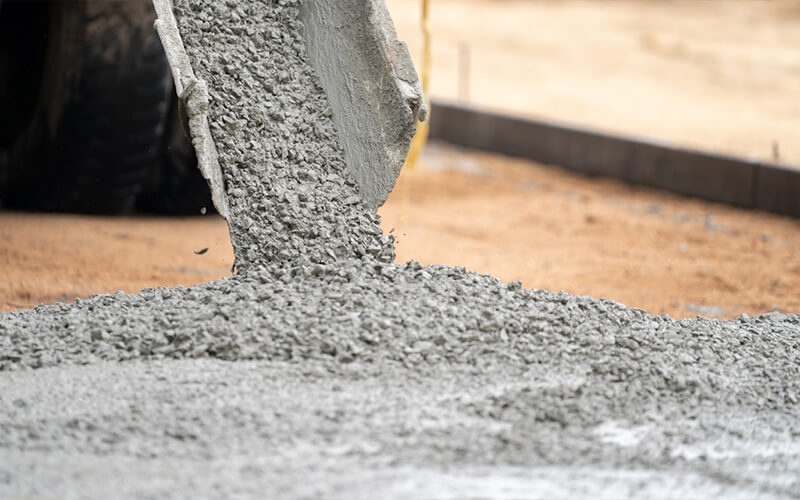
Structural defects in construction projects rarely occur without warning. In many cases, the root cause can be traced back to improper cement use rather than design flaws or workmanship alone. Cement is a fundamental binding material in concrete, and when it is misused, mishandled, or poorly planned, the resulting concrete may fail to perform as intended. These failures can appear early in the form of visible cracks or later as serious structural weaknesses.
Improper cement use does not always mean using low-quality materials. Even high-quality cement can lead to defects if it is mixed incorrectly, stored improperly, or applied without regard to environmental and structural requirements. Understanding how cement misuse contributes to structural problems is essential for contractors, engineers, and site managers who aim to deliver safe, durable, and reliable structures.
Incorrect Cement Proportions in Concrete Mixes
One of the most common causes of structural defects is incorrect cement proportioning in concrete mixes. When cement content is too low, the concrete lacks sufficient bonding strength to hold aggregates together under load. This results in weak concrete that is prone to cracking, crushing, and premature failure.
Conversely, excessive cement content can also be problematic. Over-cemented mixes generate higher heat during hydration and are more susceptible to shrinkage. These internal stresses often lead to cracking, which creates pathways for moisture and harmful substances to penetrate the structure.
Improper Water-to-Cement Ratio
The water-to-cement ratio has a direct impact on concrete strength and durability. Adding too much water to improve workability is a common on-site mistake. While excess water may make concrete easier to place, it significantly reduces compressive strength and increases permeability.
High permeability allows water and chemicals to enter the concrete, accelerating reinforcement corrosion and internal deterioration. Over time, this weakens the structure and leads to defects such as spalling, surface scaling, and loss of load-bearing capacity.
Poor Cement Mixing Practices
Improper mixing is another frequent cause of structural defects. Cement must be evenly distributed throughout the concrete mix to ensure uniform performance. Inadequate mixing leads to areas with insufficient cement paste, resulting in weak zones within the structure.
These weak zones may not be immediately visible but can become failure points under stress. Uneven strength distribution increases the risk of cracking, deformation, and localized collapse, particularly in structural elements subjected to heavy loads.
Use of Cement That Has Been Improperly Stored
Cement is highly sensitive to moisture and environmental exposure. When cement is stored improperly, it may partially hydrate before use, losing its binding capacity. Using such cement results in concrete with reduced strength and inconsistent performance.
Concrete made with moisture-damaged cement often shows delayed setting, poor workability, and lower final strength. These issues directly contribute to structural defects, especially in critical elements such as columns, beams, and load-bearing walls.
Inadequate Curing Due to Cement Mismanagement
Curing is essential for proper cement hydration and strength development. Improper cement use often goes hand in hand with poor curing practices. Without adequate moisture and temperature control, cement cannot fully hydrate, resulting in weak and brittle concrete.
Insufficient curing increases the likelihood of surface cracking, dusting, and reduced durability. These defects may appear minor at first but can compromise the long-term performance and safety of the structure.
Ignoring Environmental Conditions During Cement Use
Environmental conditions such as temperature, wind, and humidity significantly influence cement behavior. Improper cement use includes failing to adjust mix design and placement methods to suit these conditions. In hot weather, rapid moisture loss can cause plastic shrinkage cracking.
In cold conditions, slow hydration may delay strength development, making concrete vulnerable to early loading damage. Ignoring environmental factors during cement use increases the risk of defects that affect both appearance and structural integrity.
Incompatibility Between Cement and Construction Methods
Different construction techniques require specific cement performance characteristics. Using cement that is not compatible with pumping, large pours, or rapid construction schedules can lead to placement issues and defects.
For example, cement that sets too quickly may cause cold joints in large pours, while slow-setting cement can delay formwork removal and loading. These mismatches often result in weak connections and structural inconsistencies.
Lack of Quality Control in Cement Application
Improper cement use is often linked to weak quality control practices. Inconsistent batching, lack of testing, and poor supervision allow errors to go unnoticed until defects become visible or structural performance declines.
Without regular testing and inspection, issues such as low strength, segregation, or excessive bleeding may only be discovered after construction progresses. Correcting these problems at later stages is costly and sometimes impossible.
Impact on Reinforcement Protection
One of cement’s critical roles in concrete is protecting steel reinforcement from corrosion. Improper cement use often results in porous concrete that allows moisture and oxygen to reach reinforcement.
Once corrosion begins, steel expands, causing internal pressure that leads to cracking and spalling. This process severely compromises structural capacity and is one of the most serious long-term consequences of poor cement practices.
Long-Term Durability and Safety Risks
Structural defects caused by improper cement use may not always lead to immediate failure, but they significantly reduce durability. Over time, small defects grow into major problems that require extensive repairs or strengthening.
In critical infrastructure and high-occupancy buildings, these defects pose safety risks and financial liabilities. Preventing them starts with understanding and respecting the role of cement in concrete performance.
The Importance of Using Cement Correctly
Using cement correctly means more than selecting a reliable product. It involves proper storage, accurate proportioning, controlled water content, thorough mixing, and appropriate curing. High-quality cement can only deliver its full performance potential when these factors are properly managed.
Attention to detail at every stage of cement use helps eliminate common causes of structural defects. It also ensures that concrete performs as designed, supporting safety, durability, and long-term value.
Conclusion: Preventing Defects Through Proper Cement Use
Improper cement use is a leading contributor to structural defects in construction projects. From incorrect mix proportions to poor curing and storage practices, small mistakes can have serious consequences for structural performance.
By understanding how cement misuse leads to defects and implementing disciplined material management practices, construction professionals can significantly reduce risk. Proper cement use is not only a technical requirement but a fundamental responsibility in delivering safe and durable structures.