
How Cement Quality Reduces Risks in Load-Bearing Structures
07.04.2026
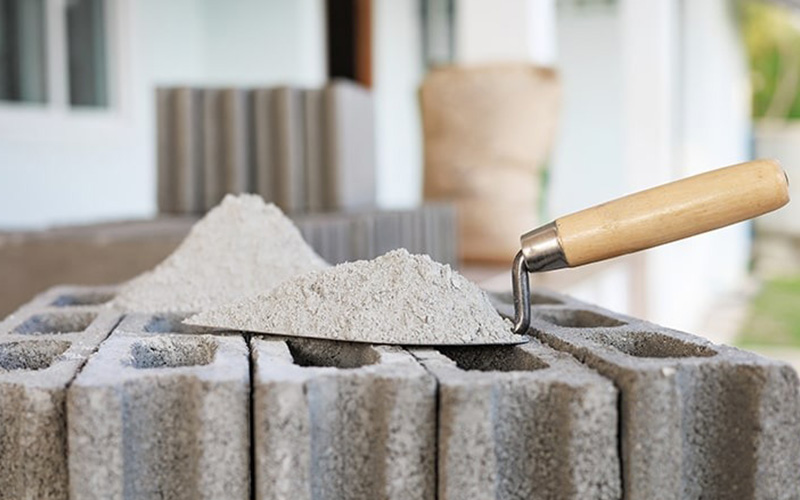
Load-bearing structures are designed to carry and transfer loads safely from the top of a building down to its foundation. These structures must perform reliably under constant stress, environmental exposure, and long-term use. Any weakness in materials can compromise their ability to function as intended, leading to serious safety risks. Among all construction materials, cement plays a fundamental role because it is the primary binding component in concrete, which forms the backbone of load-bearing systems.
Cement quality directly affects strength, durability, bonding, and overall structural performance. When high-quality cement is used, it enhances the reliability of load-bearing elements such as columns, beams, and slabs. Poor cement quality, on the other hand, increases the risk of structural defects, uneven load distribution, and eventual failure. Understanding how cement quality reduces these risks is essential for ensuring safe and durable construction.
Ensuring Reliable Compressive Strength
Compressive strength is the most critical property for load-bearing structures. Cement quality determines how effectively concrete can resist compression without crushing or deforming under load.
High-quality cement ensures consistent strength development, allowing structural elements to safely carry design loads. This reduces the likelihood of failure due to insufficient load capacity.
Maintaining Uniform Load Distribution
Proper load distribution is essential for structural stability. Cement quality influences the uniformity of concrete, which directly affects how loads are transferred across different elements.
Consistent cement performance ensures that loads are evenly distributed, preventing stress concentrations that can lead to cracking or localized failure.
Preventing Weak Zones in Structural Elements
Weak zones are areas where concrete strength is lower than expected, often caused by inconsistent material quality. These zones disrupt load paths and become potential failure points.
Using high-quality cement minimizes variations in strength, ensuring that all parts of the structure perform uniformly. This reduces the risk of unexpected structural weaknesses.
Reducing Crack Formation Under Load
Cracks can significantly compromise the performance of load-bearing structures. Cement quality affects shrinkage behavior and tensile resistance, both of which influence crack formation.
High-quality cement helps control internal stresses and reduces cracking. This preserves structural integrity and prevents the redistribution of loads to weaker areas.
Enhancing Bonding With Reinforcement
In reinforced concrete, the bond between concrete and steel reinforcement is essential for load transfer. Cement quality affects the strength and reliability of this bond.
Strong bonding ensures that loads are shared effectively between concrete and reinforcement. This interaction improves the overall load-bearing performance of the structure.
Improving Resistance to Environmental Effects
Environmental factors such as moisture, temperature changes, and chemical exposure can weaken load-bearing structures over time. Cement quality determines how well concrete resists these conditions.
Durable cement creates a dense and protective matrix, reducing the impact of environmental damage. This helps maintain structural strength and stability over the long term.
Controlling Permeability and Internal Deterioration
Permeability affects how easily water and harmful substances can enter concrete. High permeability can lead to internal deterioration and reduced strength.
High-quality cement contributes to low-permeability concrete, protecting internal components and reducing the risk of long-term damage.
Supporting Stability Under Dynamic Loads
Load-bearing structures often experience dynamic loads such as traffic, machinery, or environmental forces. Cement quality influences how concrete responds to these changing stresses.
Concrete made with reliable cement maintains its integrity under repeated loading, reducing the risk of fatigue-related failure.
Reducing Construction Defects
Material-related defects can weaken load-bearing structures and increase failure risk. Poor cement quality may lead to issues such as segregation, low strength, or improper setting.
Using high-quality cement reduces the likelihood of such defects, ensuring that structural elements meet design requirements and perform as intended.
Enhancing Predictability and Quality Control
Predictability is essential in load-bearing design and construction. Cement quality ensures that concrete behaves consistently, allowing engineers to rely on design assumptions.
Consistent performance simplifies quality control and reduces uncertainty, improving overall structural safety.
Reducing Long-Term Maintenance Risks
Structures built with high-quality cement are less prone to deterioration and require fewer repairs. Reduced maintenance needs help preserve load-bearing capacity over time.
This long-term reliability enhances safety and reduces the risk of unexpected structural issues.
Conclusion: Cement Quality as a Risk Reduction Factor
Cement quality is a key factor in reducing risks in load-bearing structures. It influences strength, bonding, durability, and load distribution, all of which are essential for safe construction.
By selecting high-quality cement and maintaining strict quality control, construction professionals can significantly reduce structural risks and ensure reliable performance. Cement is not just a material—it is a critical element in achieving safe and durable load-bearing structures.