
How Cement Quality Influences Long-Term Structural Durability
24.03.2026
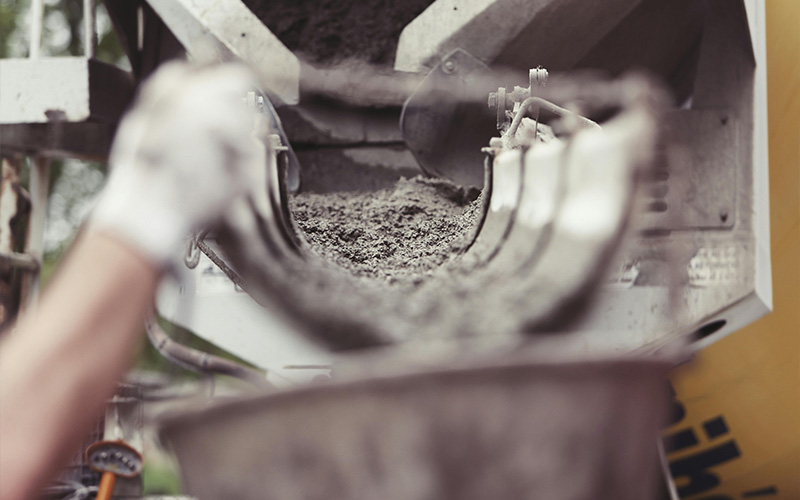
Long-term structural durability is one of the most important goals in construction. Buildings, bridges, and infrastructure systems are expected to perform safely and efficiently for decades, often under challenging environmental and loading conditions. While design and construction practices are critical, the quality of materials—especially cement—plays a decisive role in determining how durable a structure will be over time.
Cement quality directly affects concrete strength, permeability, resistance to environmental factors, and overall stability. When high-quality cement is used, structures are better equipped to resist deterioration, reduce maintenance needs, and maintain their performance throughout their service life. Conversely, poor cement quality can lead to early degradation, increased repair costs, and reduced safety.
Strength Development and Long-Term Stability
Cement quality influences how concrete gains strength during hydration and how that strength is maintained over time. High-quality cement ensures consistent and reliable strength development, which is essential for long-term structural stability.
Concrete made with inferior cement may initially meet strength requirements but can lose performance over time due to weak bonding or incomplete hydration. Reliable cement supports sustained strength that contributes to durability.
Low Permeability and Protection Against Moisture
Permeability is a key factor in durability, as it determines how easily water and harmful substances can penetrate concrete. High-quality cement contributes to a dense microstructure that limits permeability.
Low permeability protects internal components such as reinforcement from corrosion and reduces the risk of chemical attack. This protection is essential for maintaining structural integrity over long periods.
Resistance to Environmental Conditions
Structures are exposed to various environmental factors, including temperature changes, humidity, chemicals, and freeze-thaw cycles. Cement quality determines how well concrete can resist these conditions without deterioration.
Durable cement supports concrete that remains stable under harsh environments. Poor-quality cement, on the other hand, accelerates damage and reduces the lifespan of the structure.
Crack Resistance and Structural Integrity
Cracking is one of the primary causes of durability issues. Cement quality affects shrinkage behavior, hydration control, and tensile strength, all of which influence crack formation.
High-quality cement helps minimize cracking by reducing internal stresses and supporting uniform strength distribution. Fewer cracks mean better protection against moisture and environmental damage.
Protection of Reinforcement From Corrosion
Reinforced concrete relies on cement paste to protect steel reinforcement from corrosion. High-quality cement creates a dense and stable barrier that limits exposure to oxygen and moisture.
When cement quality is poor, this protective barrier becomes weak, allowing corrosion to develop. Corrosion leads to expansion, cracking, and eventual structural damage.
Consistency in Performance Over Time
Consistency is essential for long-term durability. Cement must perform uniformly across all batches to ensure that every part of the structure behaves as expected.
Inconsistent cement can lead to variations in strength and durability, creating weak zones that deteriorate faster than the rest of the structure. Consistent quality ensures uniform performance over time.
Resistance to Chemical Attack
Concrete structures are often exposed to chemicals such as sulfates, chlorides, and industrial pollutants. Cement quality influences how well concrete can resist these chemical attacks.
High-quality cement improves resistance by forming a stable and less reactive matrix. This helps prevent internal damage and extends the service life of the structure.
Reduced Maintenance and Repair Needs
Durable structures require less maintenance over time. Cement quality plays a key role in minimizing defects, deterioration, and repair requirements.
Structures built with high-quality cement experience fewer issues such as cracking, spalling, and surface degradation. This reduces maintenance costs and operational disruptions.
Performance Under Sustained and Dynamic Loads
Long-term durability is closely linked to how structures handle continuous and repeated loads. Cement quality affects the ability of concrete to resist fatigue and deformation.
High-quality cement ensures that concrete maintains its strength and shape under sustained stress. This reliability is essential for infrastructure and high-load applications.
Contribution to Lifecycle Value
Durability has a direct impact on the overall value of a construction project. Structures that last longer and perform better provide greater return on investment.
Investing in quality cement reduces lifecycle costs by minimizing repairs, extending service life, and maintaining safety. This makes cement quality a strategic factor in construction planning.
Supporting Sustainable Construction Practices
Durable structures are also more sustainable, as they require fewer resources for maintenance and replacement. Cement quality contributes to sustainability by enhancing long-term performance.
By reducing the need for repairs and reconstruction, high-quality cement helps lower environmental impact. This supports responsible construction practices and long-term resource efficiency.
Conclusion: Cement Quality as a Key to Durability
Cement quality is a fundamental factor in determining long-term structural durability. It influences strength, permeability, resistance to environmental factors, and overall performance over time.
By prioritizing high-quality cement and maintaining consistent standards, construction professionals can ensure that structures remain safe, reliable, and durable for decades. Cement is not just a component—it is a cornerstone of long-term structural success.