
Cement Quality Control in Modern Construction Projects
17.03.2026
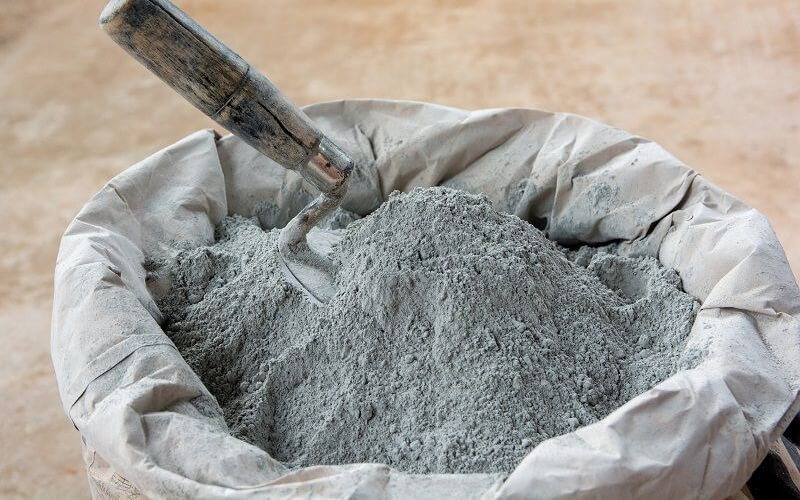
In modern construction projects, ensuring consistent quality is essential for achieving safe, durable, and long-lasting structures. Among all building materials, cement plays a central role as the primary binding agent in concrete. The performance of cement directly affects structural strength, durability, and overall project success. For this reason, quality control in cement production and usage has become a critical process in today’s construction industry.
With increasing demands for high-performance structures and stricter regulatory standards, construction professionals must implement effective cement quality control measures at every stage. From manufacturing to on-site application, maintaining consistency and compliance is essential. In this article, we will explore the importance of cement quality control and the key practices used in modern construction projects.
Why Cement Quality Control Matters
Cement quality control ensures that the material used in construction meets required standards for strength, durability, and reliability. High-quality cement contributes to consistent concrete performance, allowing structures to safely تحمل design loads and environmental stresses.
Without proper quality control, variations in cement properties can lead to unpredictable behavior in concrete. This can result in structural weaknesses, cracks, and long-term durability issues, making quality assurance an essential part of construction management.
Raw Material Selection and Testing
The quality control process begins with the selection of raw materials used in cement production. Materials such as limestone, clay, and gypsum must meet specific chemical and physical requirements to ensure proper الأداء of the final product.
Testing these materials before production helps prevent inconsistencies in cement composition. This ensures that the final product delivers reliable performance in construction applications.
Manufacturing Process Control
Modern cement manufacturing involves advanced technologies and automated systems to maintain consistency. Key processes such as grinding, blending, and clinker production are carefully monitored to ensure uniform quality.
Strict control over temperature, chemical composition, and processing conditions ensures that each batch of cement meets required standards. This level of precision is essential for producing high-performance cement.
Laboratory Testing and Verification
Laboratory testing is a fundamental aspect of cement quality control. Tests such as compressive strength, fineness, setting time, and soundness are conducted to verify the properties of cement before it is distributed.
These tests ensure that the cement performs as expected under different conditions. Regular testing also helps identify potential issues early, allowing manufacturers to make necessary adjustments.
On-Site Quality Checks
Quality control does not end at the manufacturing stage. On-site testing and inspection are equally important to ensure that cement is stored and used correctly. Proper storage conditions prevent moisture absorption and maintain cement quality.
Construction teams also conduct tests on concrete mixes to verify that the cement performs as expected in real-world conditions. This helps ensure consistency between design and execution.
Consistency in Supply and Batch Control
Maintaining consistency across different batches of cement is essential for uniform structural performance. High-quality cement manufacturers implement strict batch control measures to minimize variations.
Using cement from reliable sources ensures predictable results in concrete production. Inconsistent supply can lead to variations in strength and workability, affecting the stability of the structure.
Compliance with Standards and Regulations
Cement quality control involves adherence to national and international standards such as ASTM, EN, and other regulatory guidelines. These standards define the required properties and testing methods for cement used in construction.
Compliance with these standards ensures that the cement meets safety and performance requirements. It also provides confidence to engineers and project stakeholders regarding the reliability of the material.
Role of Technology in Quality Control
Advancements in technology have significantly improved cement quality control processes. Automated systems, real-time monitoring, and data analysis tools allow manufacturers to maintain high levels of precision and consistency.
Digital tracking systems also enable better traceability of cement batches, ensuring accountability and transparency throughout the supply chain. This enhances overall quality management in construction projects.
Impact on Structural Performance
Effective cement quality control directly impacts the performance of concrete structures. Consistent and high-quality cement ensures that the structure can تحمل loads safely and maintain durability over time.
Poor quality control can lead to defects such as cracking, ضعف, and reduced lifespan. This highlights the importance of maintaining strict quality assurance practices in every construction project.
Cost Efficiency and Risk Reduction
Investing in cement quality control helps reduce long-term costs by minimizing the risk of structural issues and repairs. High-quality materials lead to fewer defects and lower maintenance requirements.
On the other hand, neglecting quality control can result in costly failures and safety hazards. Ensuring quality from the beginning is a cost-effective strategy for successful project delivery.
Conclusion
Cement quality control is a vital component of modern construction projects, ensuring that structures are safe, durable, and reliable. From raw material selection and manufacturing to on-site testing and compliance, every step plays a crucial role in maintaining quality.
By implementing robust quality control measures and using high-quality cement, construction professionals can achieve better performance, reduce risks, and deliver long-lasting structures that meet modern engineering standards.